 WORLDTECH
Cornell Lightsail Experiment Paves the Way for Interstellar Missions
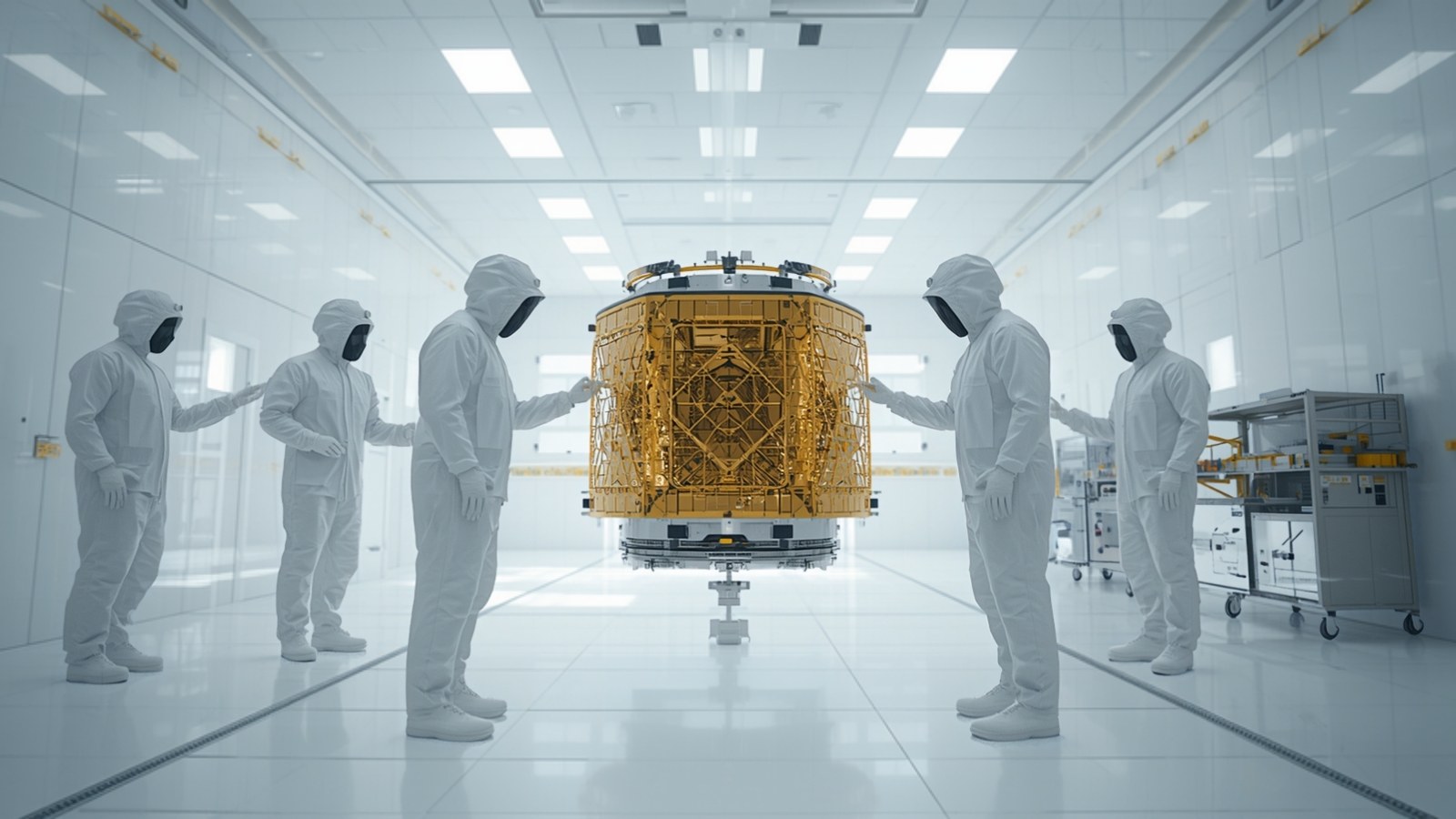 AI illustration
What happened
The experiments were funded by NASA's CubeSat Launch Initiative , which launched to the ISS in late 2025 aboard the NG-23 and Crew-11 missions, respectively. This technology, consisting of laser arrays pushing a reflective sail and tiny spacecraft to relativistic speeds (a fraction of the speed of light), is presently the only promising method for sending missions to the nearest stars within a human lifetime.
Alas, several major hurdles need to be overcome and technological developments made before any such missions are possible. These range from developing space-based laser systems and creating materials that can survive the journey through interstellar space to testing proof of concepts in space.
The missions were created as part of the Museum of Science Fiction’s 2016 CubeSat Competition , a design competition for next-generation spacecraft concepts using off-the-shelf technologies. During deployment, communications were established through the open-source global satellite network TinyGS .
Sources & evidence
- Universe Today Reporting source
Cornell Lightsail Experiment Paves the Way for Interstellar Missions ↗
https://www.universetoday.com/articles/cornell-university-successfully-deploys-free-flying-light-sails-in-orbit