 WORLDTECH
Science & Space
NASA’s Hubble Seeks Lensed Supernova, Marks 200,000 Orbits
First reported Source: NASA News ReleasesLast editorial activity
Full credit
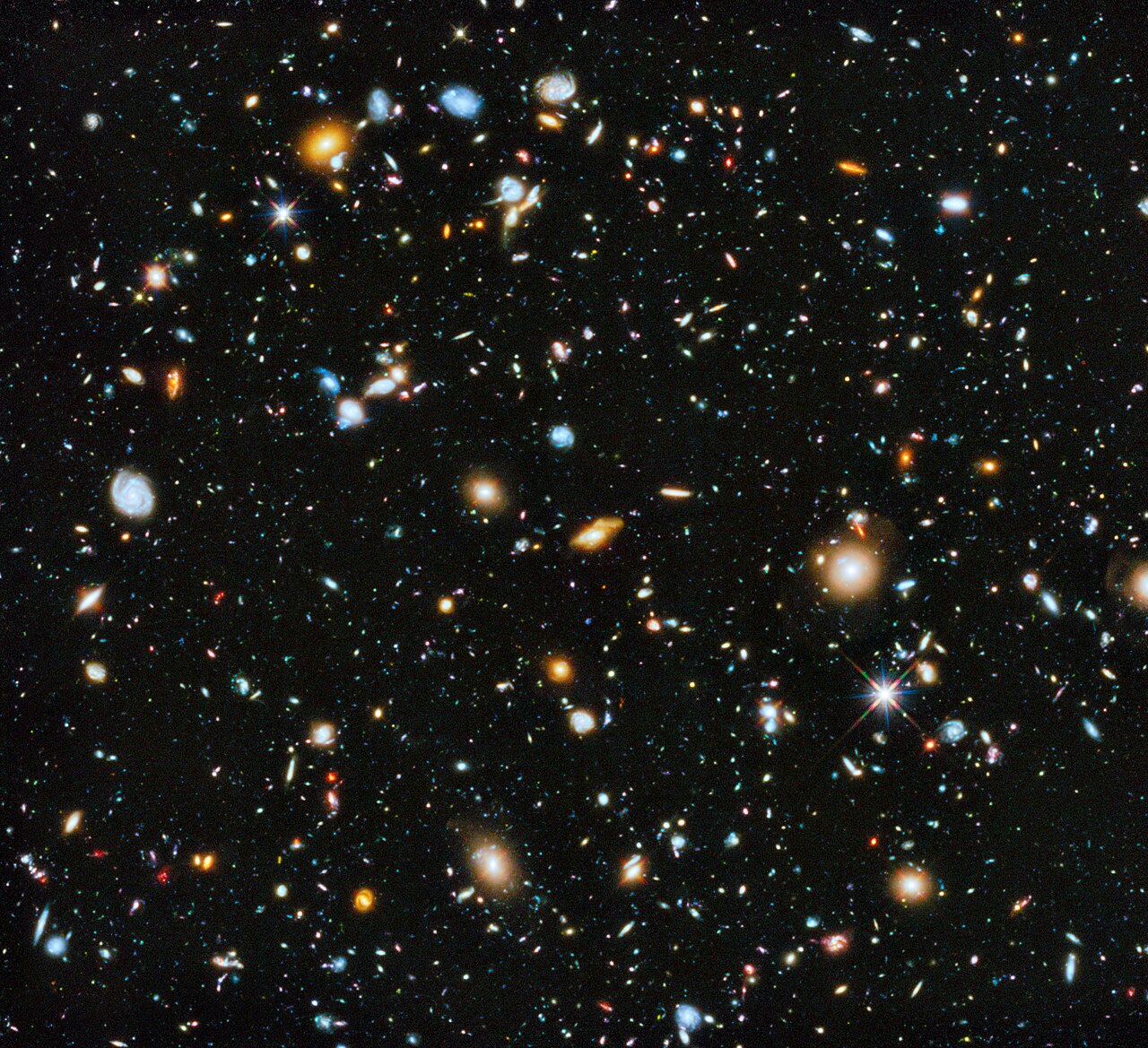
File:NASA-HS201427a-HubbleUltraDeepField2014-20140603.jpg / NASA, ESA, H. Teplitz and M. Rafelski (IPAC/Caltech), A. Koekemoer (STScI), R. Windhorst (Arizona State University), and Z. Levay (STScI) / http://hubblesite.org/newscenter/archive/releases/2014/27/image/a/ ( image link ) / Wikimedia Commons / Public Domain / https://commons.wikimedia.org/wiki/File:NASA-HS201427a-HubbleUltraDeepField2014-20140603.jpgSource page
What happened
Supernova Athena, discovered by NASA’s James Webb Space Telescope in 2025, is predicted to reappear between now and early March 2027. As a result, demand for Hubble observing time remains high as astronomers request about seven times as much observing time as is available each year.
Hubble has traveled more than 5 billion miles around Earth over its 36-year lifetime, exceeding 1.7 million total observations. After more than 36 years in space, Hubble still is reaching new heights of scientific productivity and impact. Hubble Science Highlights Hubble’s most notable scientific discoveries reflect the broad range of research and the breakthroughs it has achieved.
Sources & evidence
- NASA News Releases Primary / official
NASA’s Hubble Seeks Lensed Supernova, Marks 200,000 Orbits ↗
https://science.nasa.gov/missions/hubble/nasas-hubble-seeks-lensed-supernova-marks-200000-orbits/