 WORLDTECH
NASA Armstrong Celebrates 80 Years of Flight Innovation
Full credit
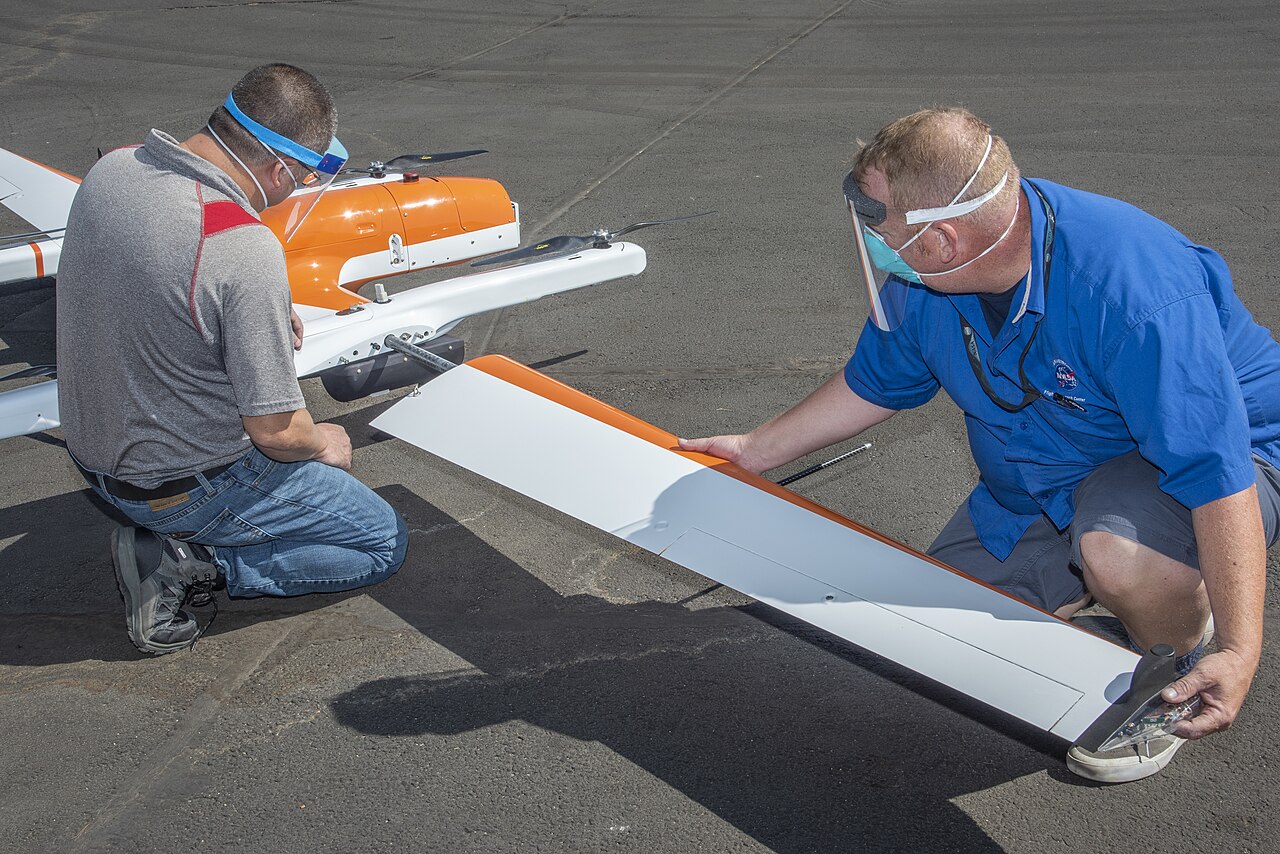
File:HQ-90 aircraft arrived and assembled at NASA's Armstrong Flight Research Center (AFRC2020-0108-25).jpg / NASA Armstrong Flight Research Center / NASA/Ken Ulbrich / This image or video was catalogued by Neil A. Armstrong Flight Research Center of the United States National Aeronautics and Space Administration (NASA) under Photo ID: AFRC2020-0108-25 . / Wikimedia Commons / Public Domain / https://commons.wikimedia.org/wiki/File:HQ-90_aircraft_arrived_and_assembled_at_NASA%27s_Armstrong_Flight_Research_Center_(AFRC2020-0108-25).jpgSource page.jpg)
What happened
30, 1946, five National Advisory Committee of Aeronautics (NACA) engineers arrived at Muroc Army Airfield in California’s high desert to achieve supersonic flight for the first time. Fast forward 80 years, and that former NACA outpost is now NASA’s Armstrong Flight Research Center in Edwards, California, flying the X-59 supersonic X-plane in the same skies to demonstrate that supersonic flight doesn’t have to come with a boom. NASA is a space exploration and public company founded in 1958.
In less than two years, NACA flew the X-1 aircraft faster than the speed of sound, marking an important milestone in aviation history. Over Armstrong’s 80-year history, the center has supported milestone missions ranging from space shuttle landings to SR-71 flights, shaping the evolution of science, aeronautics, and space research. Fast facts NASA Administrator Jared Isaacman recently named Armstrong as the agency’s Center of Excellence for Flight Test and Aircraft Operations, recognizing the center’s unmatched rigor in executing unique missions only NASA can fly.
Sources & evidence
- NASA News Releases Primary / official
NASA Armstrong Celebrates 80 Years of Flight Innovation ↗
https://www.nasa.gov/news-release/nasa-armstrong-celebrates-80-years-of-flight-innovation/