 WORLDTECH
NASA Selects Far-Infrared Telescope as First in New Mission Class
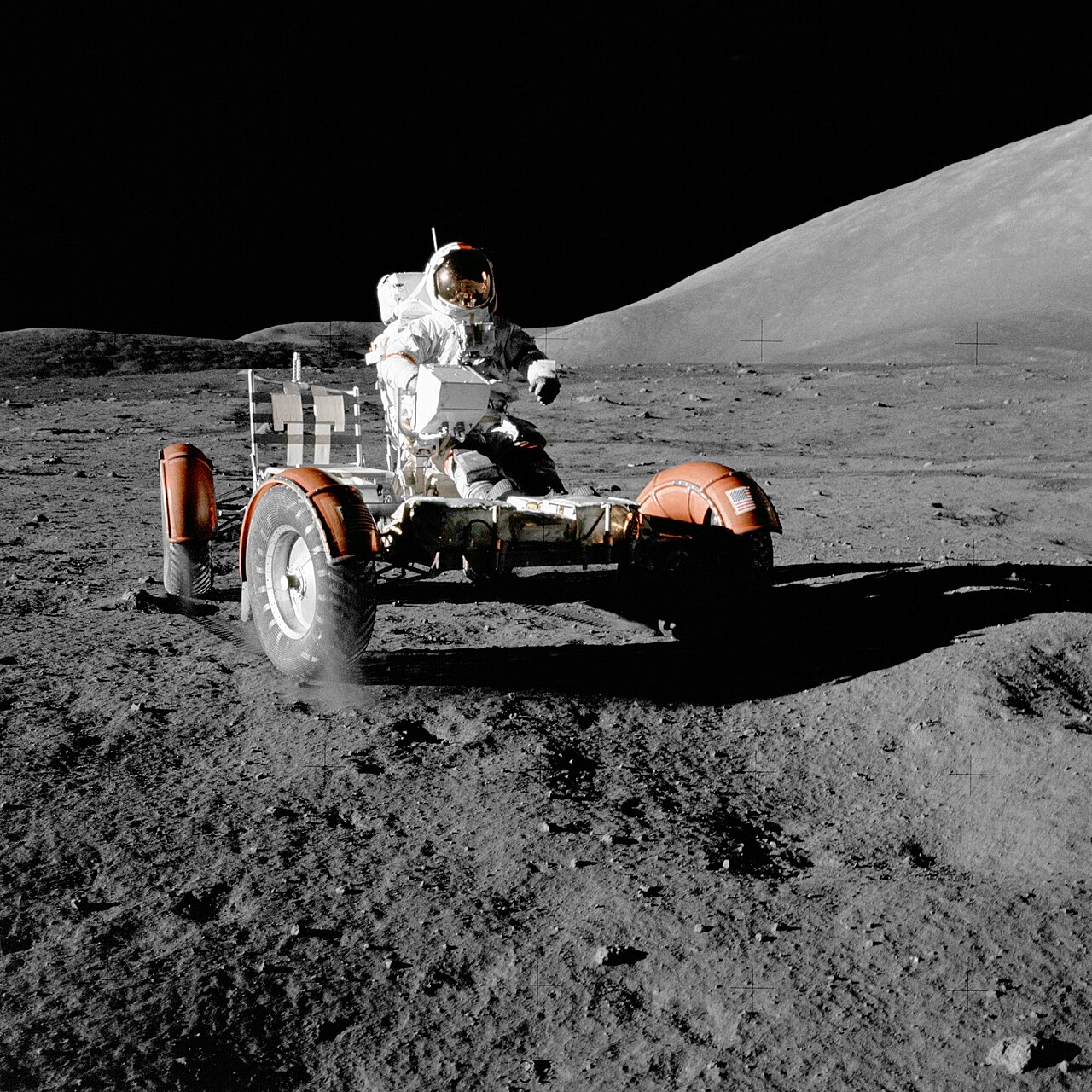
Full credit
File:NASA Apollo 17 Lunar Roving Vehicle.jpg / NASA / Harrison H. Schmitt / https://images.nasa.gov/details/as17-147-22526 http://grin.hq.nasa.gov/ABSTRACTS/GPN-2000-001139.html on the Wayback Machine at the Wayback Machine / Wikimedia Commons / Public Domain / https://commons.wikimedia.org/wiki/File:NASA_Apollo_17_Lunar_Roving_Vehicle.jpgSource page
What happened
NASA announced Wednesday a mission to explore the history and evolution of the universe, PRIMA (PRobe far-Infrared Mission for Astrophysics), is advancing to the next phase of development. NASA selected PRIMA to move into Phase B, the stage of development that advances the preliminary design and technology development for the mission.
If confirmed, PRIMA’s project cost is capped at $1.2 billion, not including launch and other non-project costs. This space telescope is the first in a new class of NASA astrophysics missions, called Probe Explorers, within the agency’s longstanding Explorers Program. The mission is subject to a confirmation review, based on technical, programmatic, and cost performance, to determine its readiness to begin implementation in Phase C.
Key facts
- NASA — announced: Wednesday a mission to explore the history and evolution of the universe, PRIMA (PRobe far-Infrared Mission for Astrophysics), is advancing to the next phase of development
Sources & evidence
- NASA News Releases Primary / official
NASA Selects Far-Infrared Telescope as First in New Mission Class ↗
https://www.nasa.gov/news-release/nasa-selects-far-infrared-telescope-as-first-in-new-mission-class/